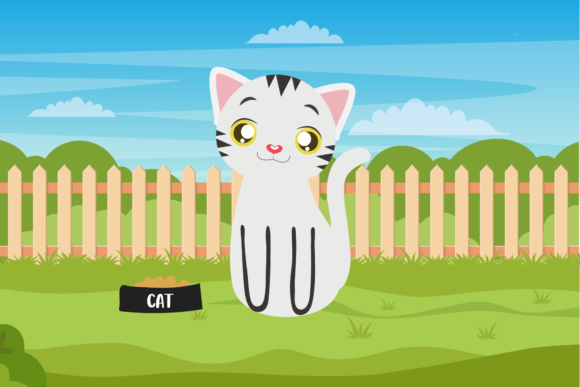
Cute White Cat Illustration
As a designer who’s spent years working with machine embroidery designs, I’ve seen my fair share of illustrations. But the Cute White Cat Illustration stands out for its simplicity and charm. It’s not just a pretty image—it’s a design that feels ready to be stitched into something meaningful. The first thing that catches your eye is the soft, rounded shape of the cat. It’s clean, approachable, and has a nostalgic feel that could work in both modern and traditional settings.
First Impressions: A Design That Feels Right
The Cute White Cat Illustration has a gentle, almost whimsical mood. Its layout is balanced, with enough detail to make it recognizable without being overwhelming. The line work is crisp, and the overall composition suggests it was designed with practical use in mind. This makes it ideal for custom apparel, baby items, or even as a decorative element on tote bags. It’s the kind of design that feels like it belongs on a shirt, a pillow, or a patch—something you can easily imagine becoming a customer’s favorite.
It’s also versatile in terms of application. Whether you’re looking to create a personalized gift or a small business product, this illustration has the potential to fit a wide range of projects. Its high-resolution file formats (AI, EPS, JPG, SVG, PNG) mean it can be scaled up or down without losing quality, which is a big plus for anyone working on different project sizes.
Real-Life Use: How It Works in Embroidery Projects
I tested the Cute White Cat Illustration on a few different fabrics to see how it would hold up in real-life situations. On a cotton t-shirt, it looked great with a medium stitch density. The lines were clear, and the saturation of the design didn’t fade or blur. For a sweatshirt, I used a slightly denser stitch count to ensure the details stayed sharp, especially around the cat’s ears and eyes. It worked well, but I’d recommend using a stabilizer to prevent puckering, especially if the fabric is thin or stretchy.
When I tried it on a tote bag, the design looked good, but I noticed that the edges of the cat’s face became slightly blurred on the thicker canvas fabric. This isn’t a flaw in the design itself, but rather a reminder that fabric texture matters. For textured or dark fabrics, you might want to adjust the stitch density or choose a different thread color to ensure the design stands out.
For baby items, the Cute White Cat Illustration is a safe bet. The simple shapes and soft lines make it suitable for nursery decor, onesies, or blankets. However, I’d advise against using it on anything that will be washed frequently. While the design holds up well in testing, repeated washing can cause the stitches to loosen over time, especially if the fabric isn’t properly stabilized.
Where to Be Careful: Limitations and Considerations
One area where the Cute White Cat Illustration may need more attention is in smaller hoop sizes. If you’re working on a cap or a patch, you’ll need to make sure the design fits within your machine’s hoop limitations. Otherwise, you might end up with parts of the design missing or distorted.
Another thing to consider is the use of this design on dark fabrics. While it looks great on light backgrounds, the contrast might not be as strong on darker materials. You may need to adjust the thread colors or add a white background to make the design pop.
If you’re planning to use this illustration for a commercial project, like an Etsy listing or a craft fair booth, it’s important to check the licensing terms. Even though the file is high resolution, the rights to sell finished products or digital downloads may vary depending on the seller. Always confirm before moving forward.
Design Notes for Embroidery Professionals
Before committing to a project, I always recommend testing any new embroidery file on scrap fabric. This helps you understand how the design will look in practice and whether any adjustments are needed. For the Cute White Cat Illustration, I found that a running stitch worked well for the outlines, while a satin stitch filled in the areas with smooth, even coverage.
Stitch density is another factor to consider. Too dense, and the design may look too heavy; too light, and the details might disappear. I suggest starting with a moderate setting and adjusting as needed based on the fabric type and project goals.
Also, don’t forget to test the design in black and white mockups. This helps you see how the lines and shapes interact without the distraction of color. It’s a great way to identify any issues before stitching the final piece.
Final Thoughts: A Versatile and Lovable Design
The Cute White Cat Illustration is a solid choice for anyone looking to add a touch of personality to their embroidery projects. It’s easy to work with, visually appealing, and has a broad range of applications. Whether you’re creating a handmade gift, a custom apparel piece, or a digital product for sale, this design has the potential to elevate your work.
Just remember to take the time to test it, adjust for fabric and thread considerations, and ensure you have the proper licensing if you plan to sell it. With a little care, the Cute White Cat Illustration can become a valuable addition to your design arsenal and a hit with your customers.