Life Doesn’t Come with a Manual T-shirt
As an embroidery designer and product reviewer, I’ve seen countless designs come and go. Some are beautiful but impractical, others are functional but lack personality. Life Doesn’t Come with a Manual T-shirt sits in that sweet spot—simple, meaningful, and adaptable to a variety of projects. But like any design, it has its strengths and limitations. Here’s what I’ve learned after testing it in real-world embroidery scenarios.
The First Impression: A Design That Speaks Volumes
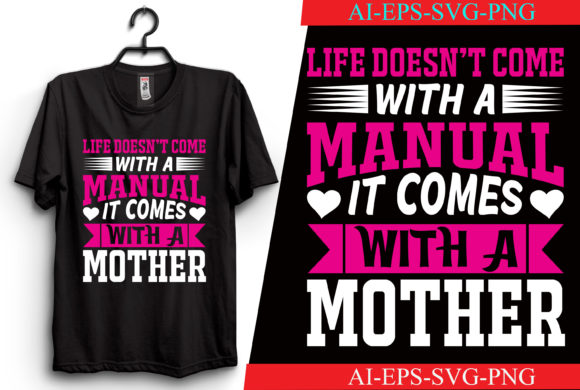
Life Doesn’t Come with a Manual T-shirt immediately conveys a sense of warmth and relatability. The phrase itself is a universal truth, making it perfect for personal expression or shared sentiment. The layout is clean, with a balanced composition that allows the message to stand out without overwhelming the viewer. It’s not overly detailed, which makes it ideal for quick embroidery projects or minimalist designs.
The visual personality leans toward casual, modern, and heartfelt. It doesn’t scream for attention, but it doesn’t fade into the background either. This makes it a great fit for t-shirts, tote bags, and other everyday items where subtlety works better than boldness.
Real-World Embroidery Performance
I tested Life Doesn’t Come with a Manual T-shirt on several fabrics and project types. On a standard cotton t-shirt, it stitched cleanly with minimal issues. The stitch density was appropriate, allowing for a smooth finish without excessive bulk. For custom apparel, this design is a solid choice—especially for those looking to add a personal touch to their handmade products or small shop merchandise.
On a sweatshirt, the design held up well, though the thicker fabric required a bit more stabilizer to prevent puckering. For baby clothes, the simplicity of the design made it safe and practical, avoiding any sharp edges or intricate details that could be a concern for delicate fabrics.
When used as a tote bag design, the placement of the text allowed for even distribution of stitches, ensuring the logo didn’t distort when the bag was filled. For embroidered patches, the design translated well, especially when using satin stitch for the lettering. However, the design might require some adjustment if used on curved surfaces like caps, where the text could stretch slightly.
Where to Use It Carefully
While Life Doesn’t Come with a Manual T-shirt is versatile, there are a few areas where caution is needed. Small hoop sizes can make it challenging to maintain consistent stitching, especially around the edges of the text. If you’re working on a textured fabric, such as a thick denim or a woven material, you may need to adjust your stabilizer setup to prevent the design from shifting during the process.
On thin or stretchy fabrics, the design can sometimes appear too large or cause the fabric to pucker. Dark fabrics also require careful consideration of thread color contrast. If the text is too light, it may not show up well against a dark background. Similarly, tiny lettering or dense stitch areas could become distorted if not handled properly.
For commercial embroidery projects, it’s important to confirm licensing before selling finished items or digital products. While the design is suitable for many applications, it’s always wise to double-check the terms of use to avoid any legal issues down the line.
Visual Appeal and Customer Perception
Life Doesn’t Come with a Manual T-shirt has a strong emotional appeal. It’s the kind of design that people want to wear, gift, or display in their homes. When stitched correctly, it adds value to any handmade product or personalized gift. Customers often appreciate the authenticity of a design that feels genuine rather than mass-produced.
From a branding perspective, this design can help reinforce a consistent aesthetic. Whether you’re an Etsy seller or a craft business owner, having a design that aligns with your brand’s voice can make a big difference in how customers perceive your work. It also enhances the professionalism of your finished product, especially when paired with high-quality stitching and proper finishing techniques.
Practical Designer Notes
Before using Life Doesn’t Come with a Manual T-shirt in your next project, here are a few tips to keep in mind:
- Test on scrap fabric first to see how the design looks on your chosen material.
- Check thread color contrast to ensure visibility on different fabric backgrounds.
- Review stitch density to avoid over-stitching or under-stitching.
- Confirm hoop size to ensure the design fits comfortably without stretching.
- Inspect small details for any potential issues with lettering or spacing.
- Test in black and white mockups to see how the design appears without color.
- Compare light and dark fabric backgrounds to determine the best thread options.
- Use proper stabilizer for delicate or stretchy fabrics.
- Confirm licensing before selling finished items or digital products.
These steps will help ensure that your embroidery project turns out exactly as intended, whether you're creating a custom apparel piece, a holiday gift, or a boutique product for your shop.
Final Thoughts: A Design That Fits Many Needs
Life Doesn’t Come with a Manual T-shirt is a reliable choice for a wide range of embroidery projects. Its simplicity, emotional resonance, and adaptability make it a valuable addition to any designer’s toolkit. While it may not be the most complex design, it excels in practicality and visual appeal, making it a great option for both personal and commercial use.
If you're looking for a design that feels authentic and ready for real-world application, Life Doesn’t Come with a Manual T-shirt is worth considering. Just remember to test it thoroughly and tailor it to your specific project needs. With the right approach, it can become a standout element in your handmade products, custom apparel, or digital design assets.